

Quality control at the exit of sorting centers is both a regulatory requirement (REP) and a major operational challenge.
At Léko, we choose to objectively assess the quality of our waste streams to better identify areas for improvement.
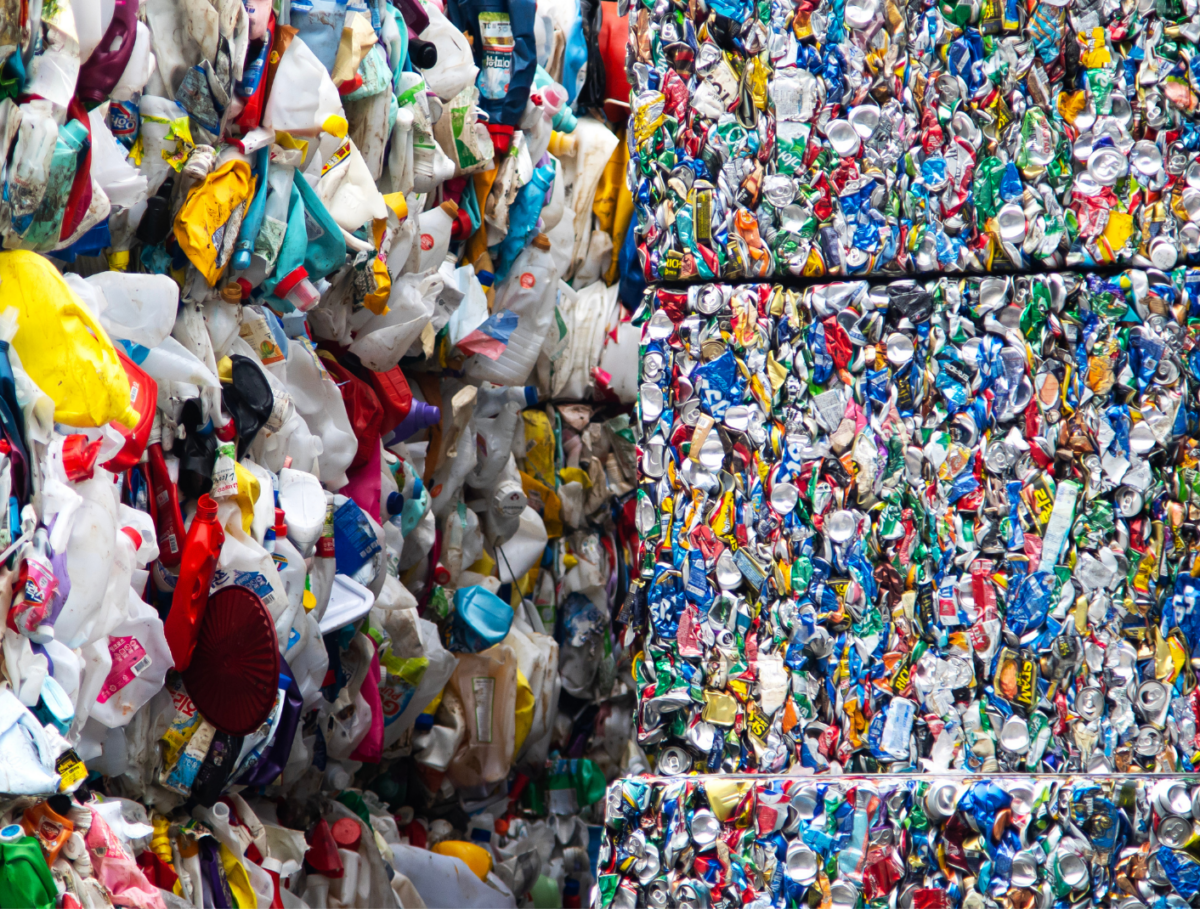
Our 2026 report, based on 13 standards and 4 sorting centers, highlights generally solid results that are in line with industry standards. However, it also reveals a common structural challenge: the rigid development of waste streams.
In practical terms:
A tolerated but undesirable presence of clear PET (≈10–13%), primarily due to carryover effects during optical sorting
Necessary sorting steps, with logistical, economic, and environmental impacts
Increased material loss (fine particles) and scrap at the end of the production line
These findings highlight very concrete performance challenges across the entire sorting and recycling chain.
👉Improving the quality of material streams ensures a steady supply of recycled raw materials (RRM) for recyclers.
👉It also means accelerating the incorporation of RRM into packaging, which is central to regulatory objectives #PPWRObjectives
👉And thus maximizing the impact of RRM bonuses provided by eco-organizations #IMPRDecree
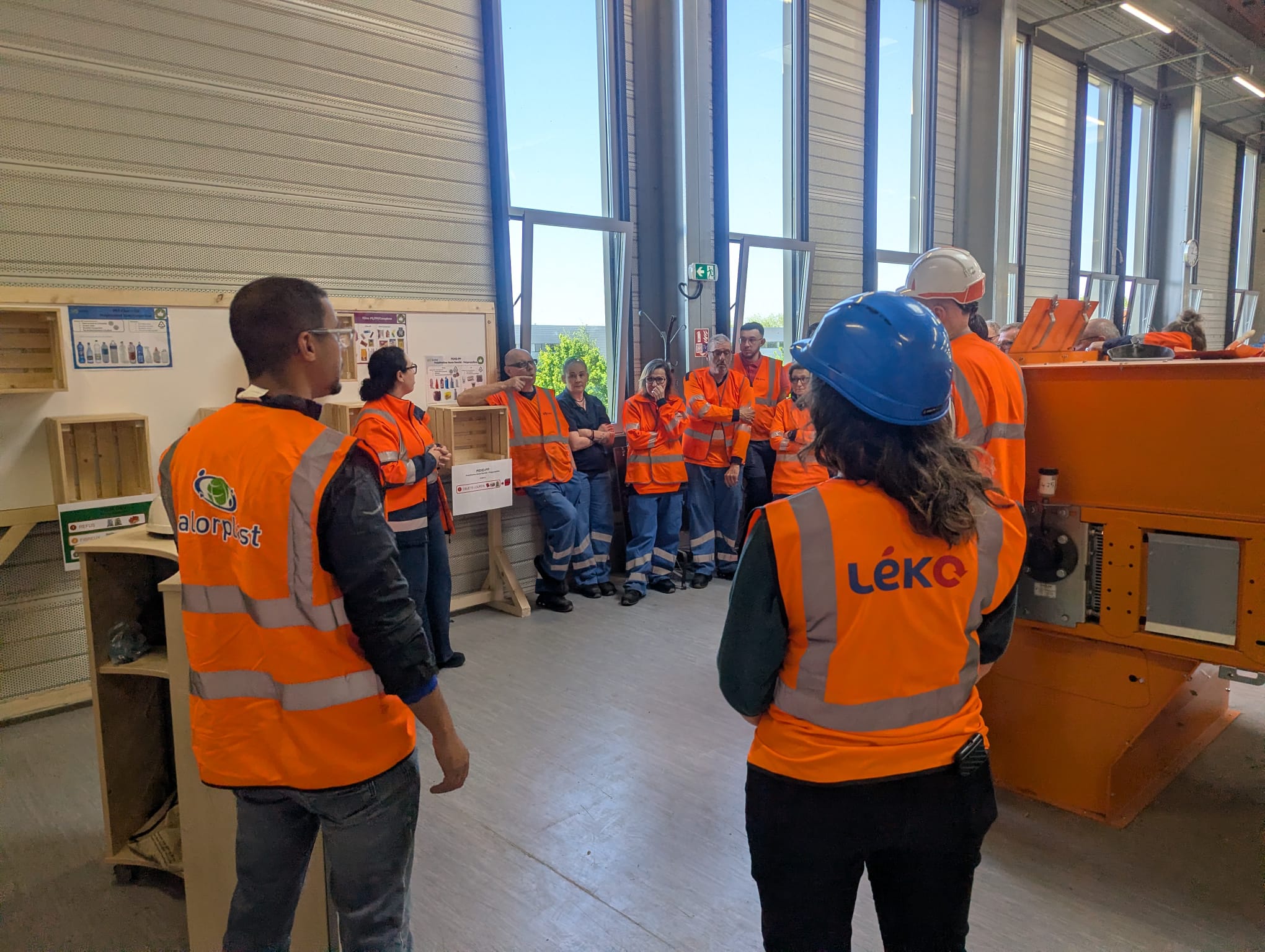
At Léko, we’re taking action—just as we did yesterday at SYMEVAD’s Evin-Malmaison sorting center alongside Valorplast: providing specific, targeted on-site support to improve the quality of rigid and flexible packaging streams through several concrete operational measures;
- Training for sorting staff, including a review of the different waste categories;
- Optimization of the sorting process;
- Call for proposals for 2026 has been launched, in accordance with these standards.
➡️ Effective recycling starts with strict material quality standards
➡️ No quality = no high-performance MPR = no effective circular loop!